S2 Ep 30 - What You Refuse to Question Will Destroy You
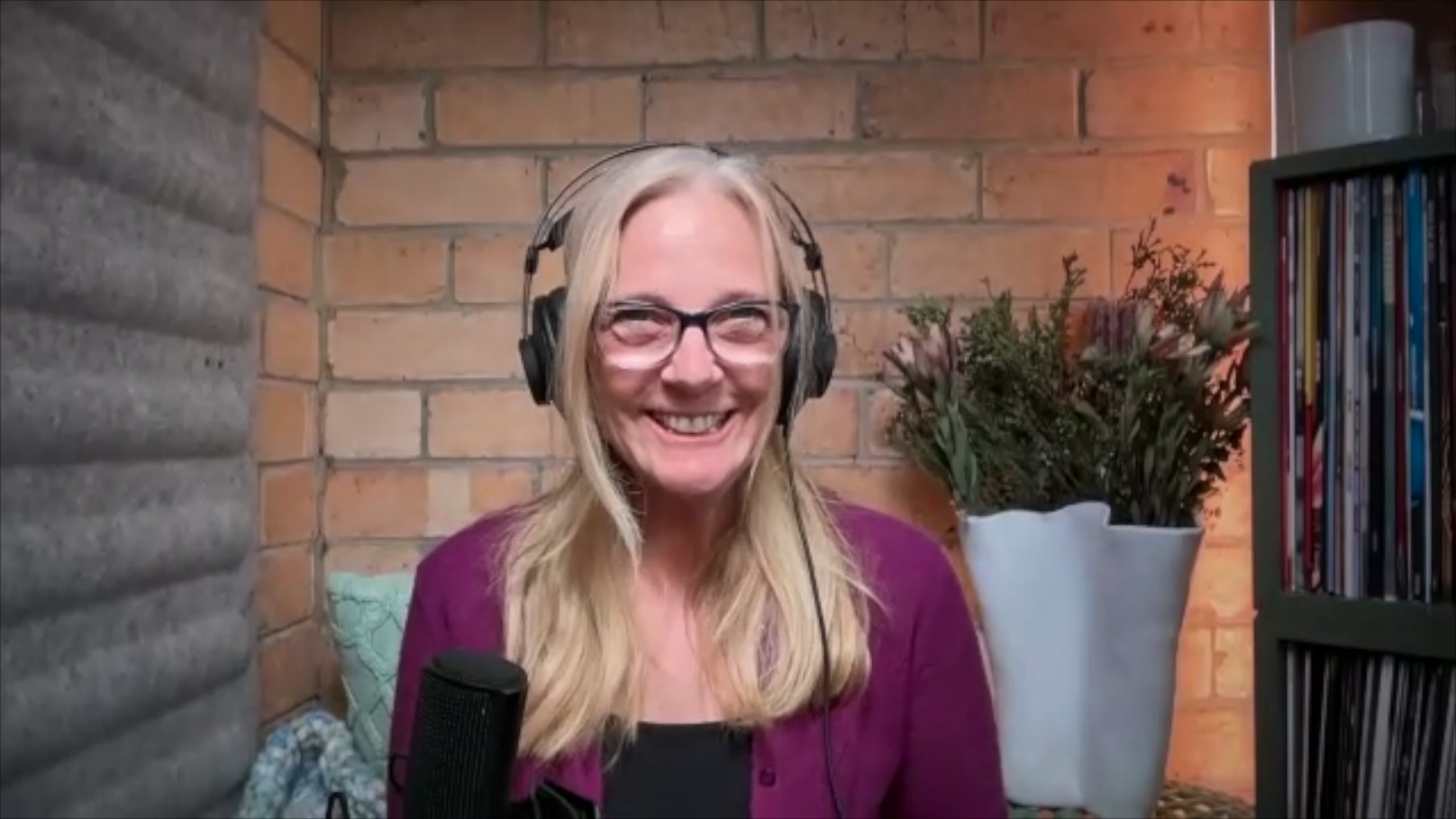
In Episode 30 of Wild Wacky Wonderful Humans, Jeanene reflects on the deeply human experience of evolving beliefs and changing perspectives. Drawing on neuroscience and psychology, she explores why the brain is designed to adapt through neuroplasticity and why emotional maturity often allows us to hold multiple truths at once.
The conversation explores the tension between identity, belonging, and personal growth, and why changing your mind can feel threatening even when it is aligned with who you are becoming. Jeanene also reflects on the promises we make to ourselves when we are younger and the freedom that comes from recognising we are allowed to grow beyond them.
At its heart, this episode is an invitation to listen, to yourself and to others, and to allow your understanding of life to evolve without fear.
Listen on
“Growth doesn't always look like adding more to your life. Sometimes it actually looks like letting go.”
Jeanene Tracy
Wisdom from Episode 30
“You are allowed to change your mind about your life, about your beliefs, about what you care about.”
“Growth doesn’t always look like adding more to your life. Sometimes it actually looks like letting go.”
“Changing your mind is not a failure of character.”
“If our brain wasn’t meant to change, then learning wouldn’t exist.”
“As we age we become more capable of holding paradoxes.”
“Sometimes the first sign that you’ve changed your mind is fatigue.”
“Listening doesn’t mean that you’re abandoning your truth.”
“You don’t owe your past self your future.”
“Honoring your past self does not mean that you have to obey that version of yourself for the rest of your life.”
“Sometimes staying loyal to old promises is not integrity, it’s actually self abandonment.”
Key Themes Explored
You are allowed to change your mind
“You are allowed to change your mind about your life, about your beliefs, about what you care about.”
Many people quietly realise that the way they once thought about the world no longer feels aligned. But changing your mind can feel frightening because we’ve been taught that consistency equals strength.
Growth often means updating our understanding. As we experience life, gather more information, and deepen emotionally, our thinking naturally evolves.
Changing your mind is not weakness. It’s often a sign that you are paying attention, learning, and allowing yourself to grow.
Growth sometimes looks like letting go
“Growth doesn’t always look like adding more to your life. Sometimes it actually looks like letting go.”
We often imagine growth as building, achieving, and accumulating more ideas, more goals, more beliefs.
But sometimes growth is quieter than that. Sometimes it looks like releasing something that once made sense but no longer fits who you are becoming.
Letting go does not erase the past. It honours the role it played while creating space for the next version of you to emerge.
You don't owe your past self your future
“You don’t owe your past self your future.”
When we are younger we often make promises about who we will always be and what we will always believe.
Then life happens. We experience loss, love, disappointment, humility, and perspective. Suddenly those old promises can feel heavy rather than true.
Honouring your past self does not mean staying loyal to a version of yourself that no longer feels aligned. You can thank that version of you for bringing you this far, and still allow yourself to grow beyond it.